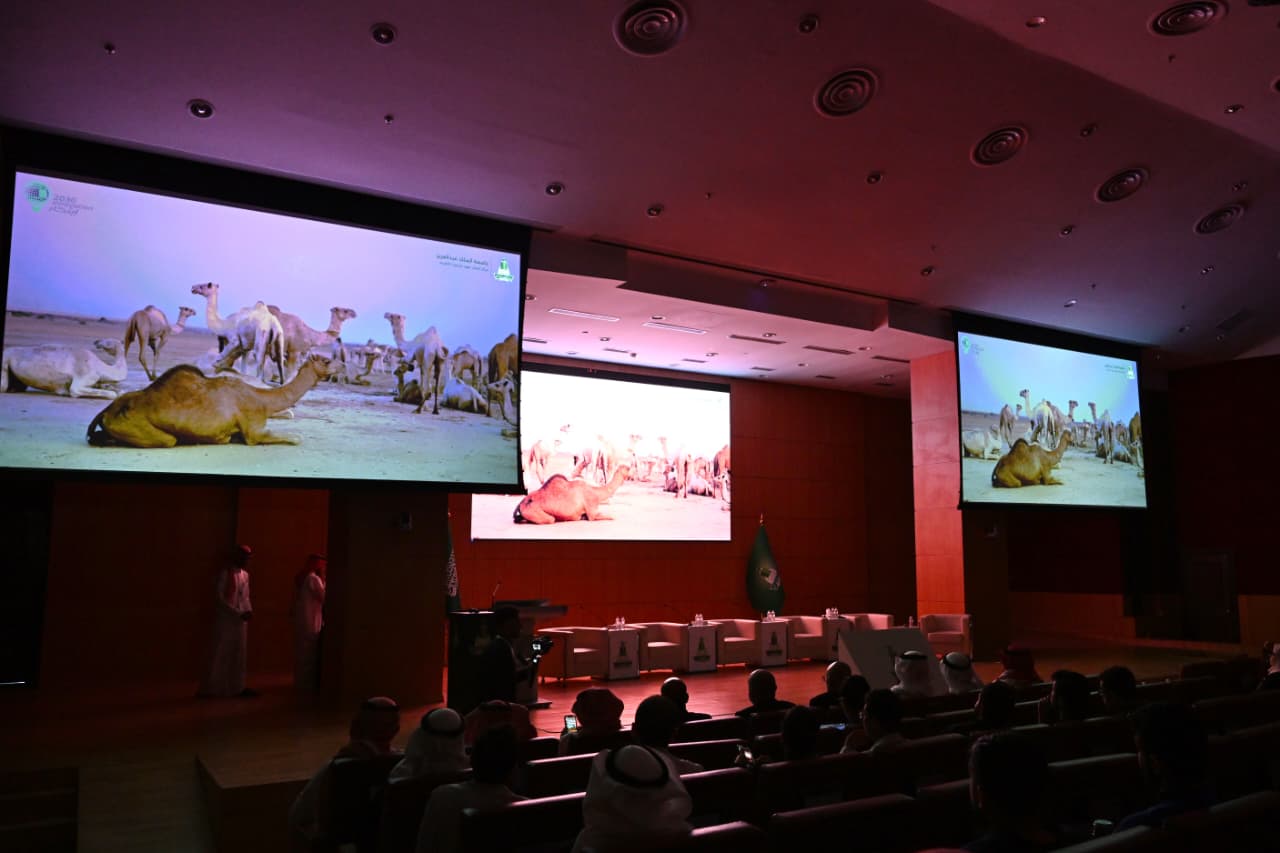
The King Fahd Medical Research Center (KFMRC) at King Abdulaziz University
organized a specialized workshop on camel research under the theme: “Camels at
the Crossroads of Health Innovation and Biotechnology.” The workshop aimed to
highlight the strategic potential of camels as a national bioresource aligned with
Saudi Arabia’s biotechnology vision. The event was held on Sunday, 15 February
2026.
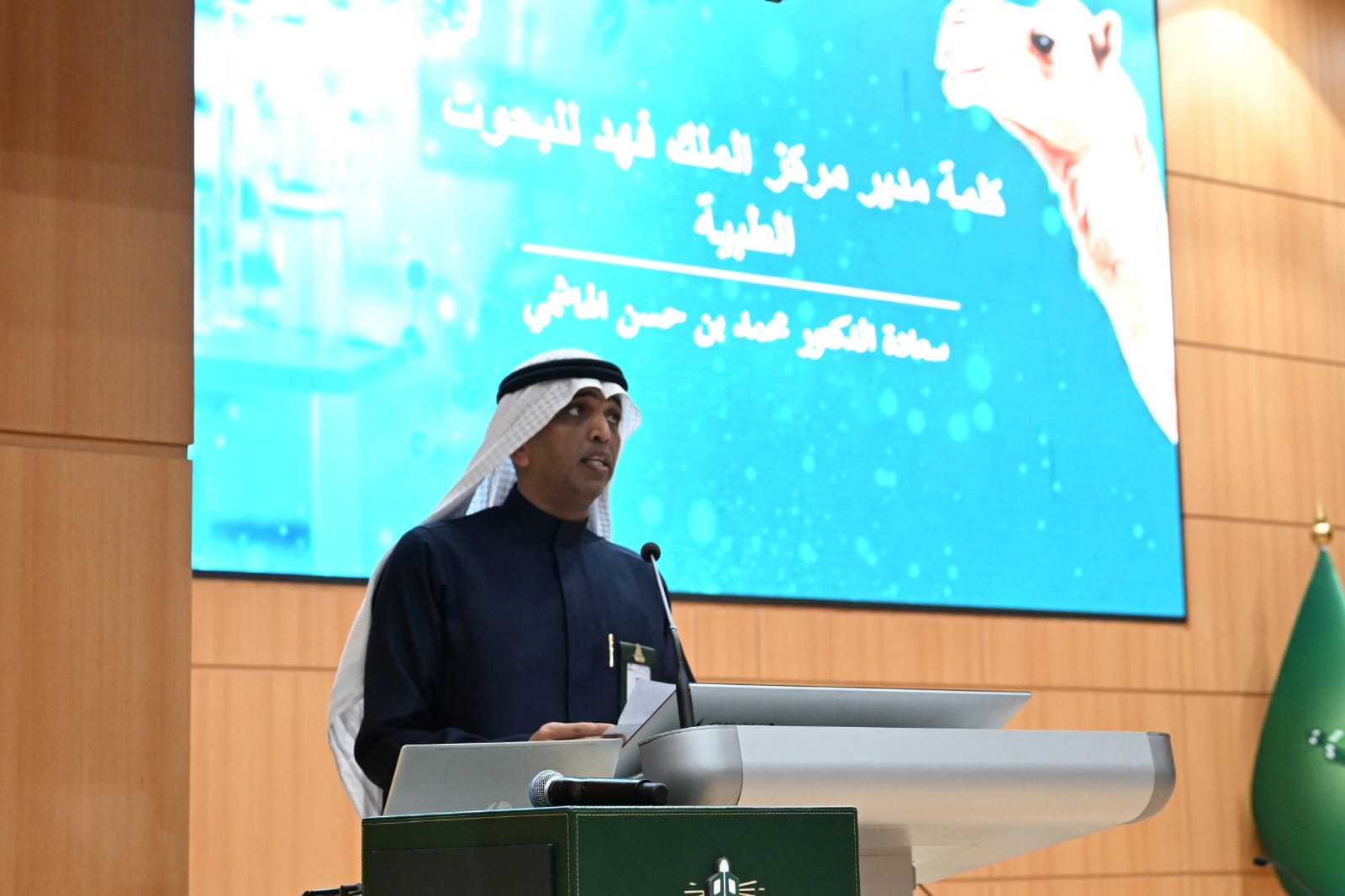
The workshop brought together a distinguished group of experts and researchers
who explored camels as valuable biotechnology resources and future platforms for
nanobody-based therapeutics. Recent advances in nanotechnology have reshaped
conventional medical approaches to disease prevention, diagnosis, and treatment.
These developments mark the emergence of a new era in nanomedical innovation.
Participants also addressed camel-associated zoonotic viruses, focusing on risk
detection and surveillance of potential hidden health threats. Discussions further
examined the nutritional and therapeutic value of camel products. Camel milk
currently accounts for approximately 0.4 percent of global milk production, compared
to cows, which represent about 81 percent. Although representing a small proportion
of global output, camel milk is gaining increasing international recognition due to its
sustainable production capacity in arid and semi-arid environments, natural habitats
well suited to camels, thereby strengthening food security in those regions.
The workshop featured six experts representing diverse scientific disciplines. These
included Dr. Thamer Al-Andijani, Assistant Professor at the Faculty of Applied
Medical Sciences and researcher in virology and infectious organisms at KFMRC; Dr.
Faisal Al-Zahrani, Professor of Molecular Biology in the Department of Biochemistry
at the Faculty of Science and member of the Stem Cell Research Unit at KFMRC; Dr.
Sherif El-Kafrawy, Professor of Virology and researcher at KFMRC; Dr. Hisham
Tayeb, Professor of Biochemistry at the Faculty of Science; Dr. Alaa Khadr, Professor
of Pharmaceutical Chemistry and researcher at the Toxicology Laboratory at
KFMRC and Dr. Ayman Abbas, Professor of Clinical Pathology and Veterinary
Medicine.
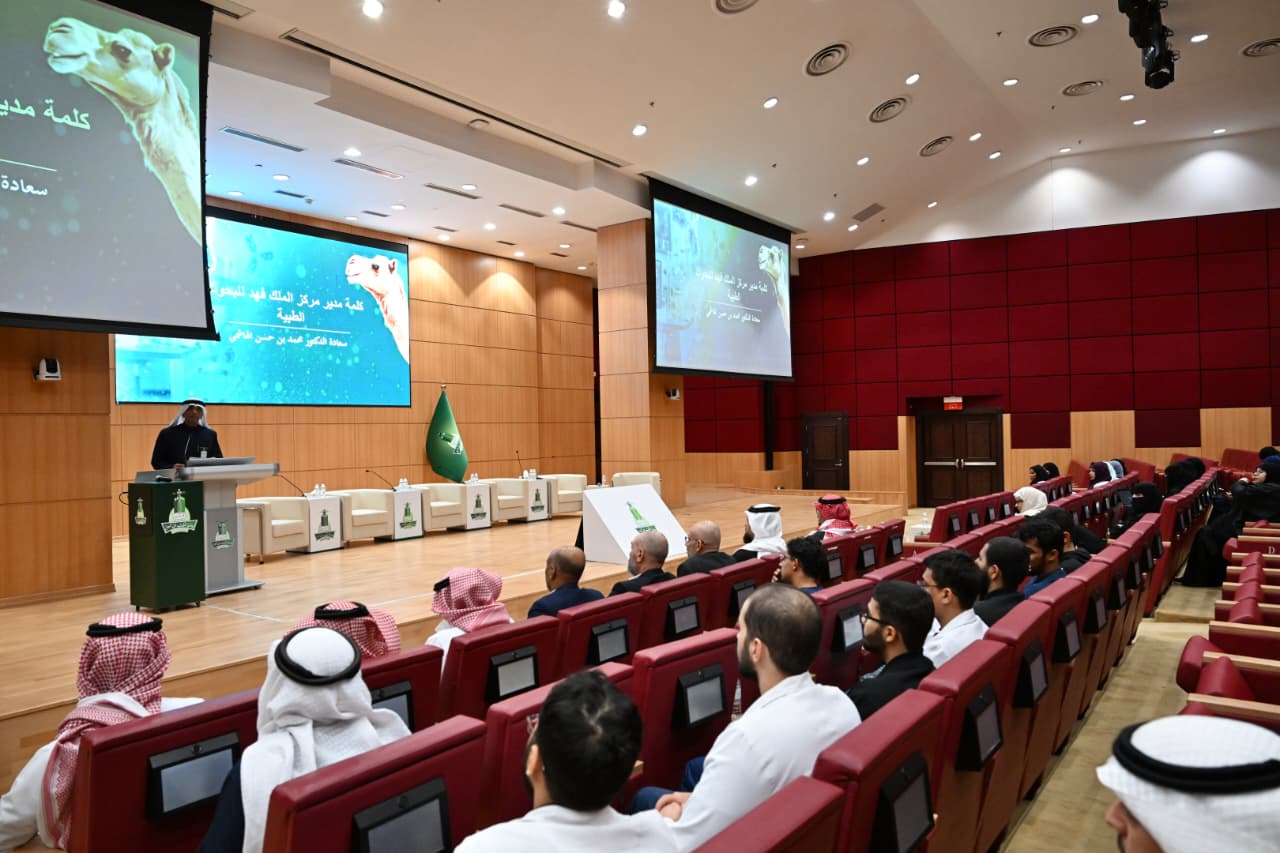
It is noteworthy that 2024 was designated as the “Year of the Camel” to celebrate the
camel’s unique cultural significance in the Arabian Peninsula since ancient times.
Historically, camels served as the primary means of traversing vast deserts and
enduring long journeys. They have been deeply embedded in regional literature, oral
traditions, and cultural expression, symbolizing resilience, loyalty, and
companionship. Today, camels remain a living testament to authenticity and a
foundational cultural element of Saudi national identity.